
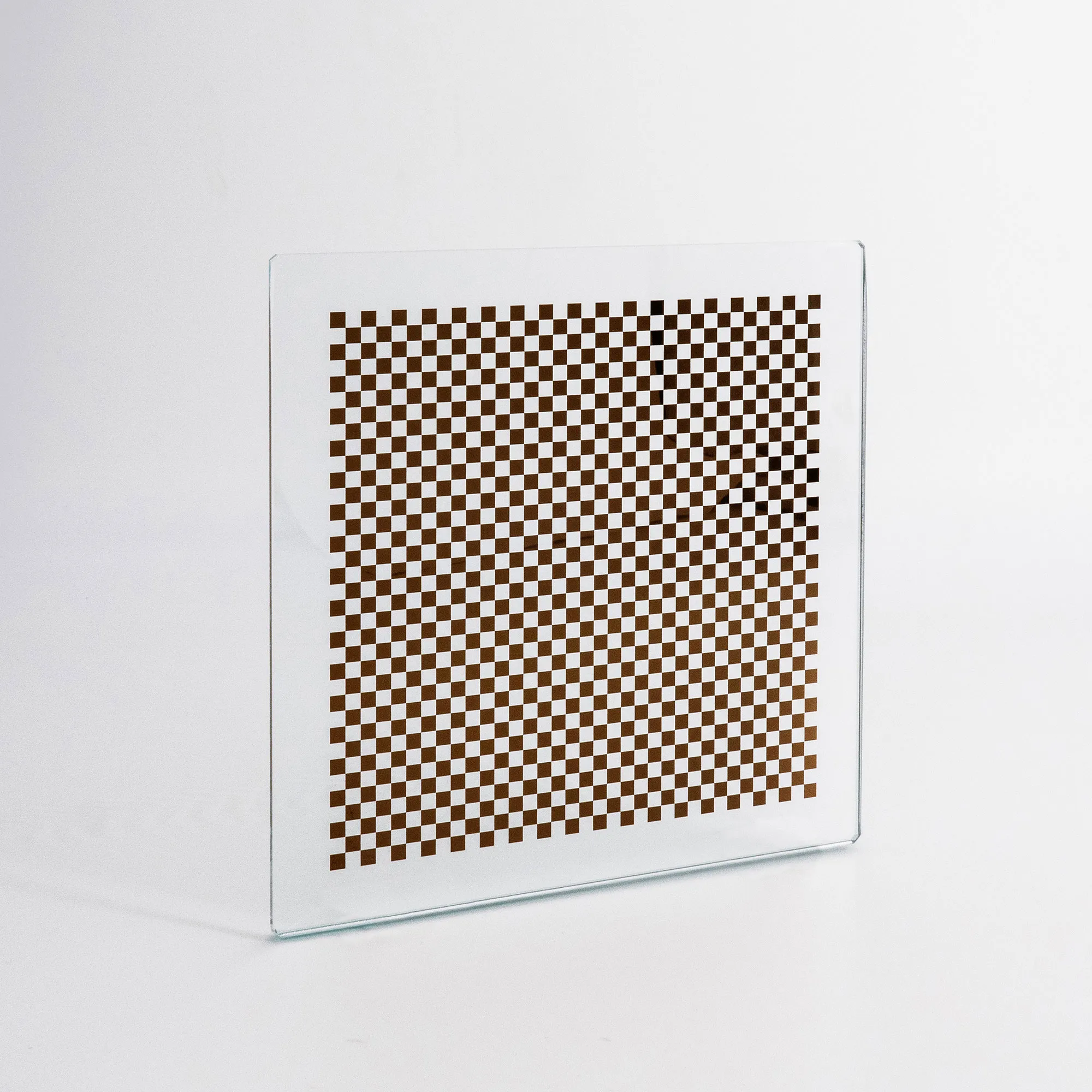
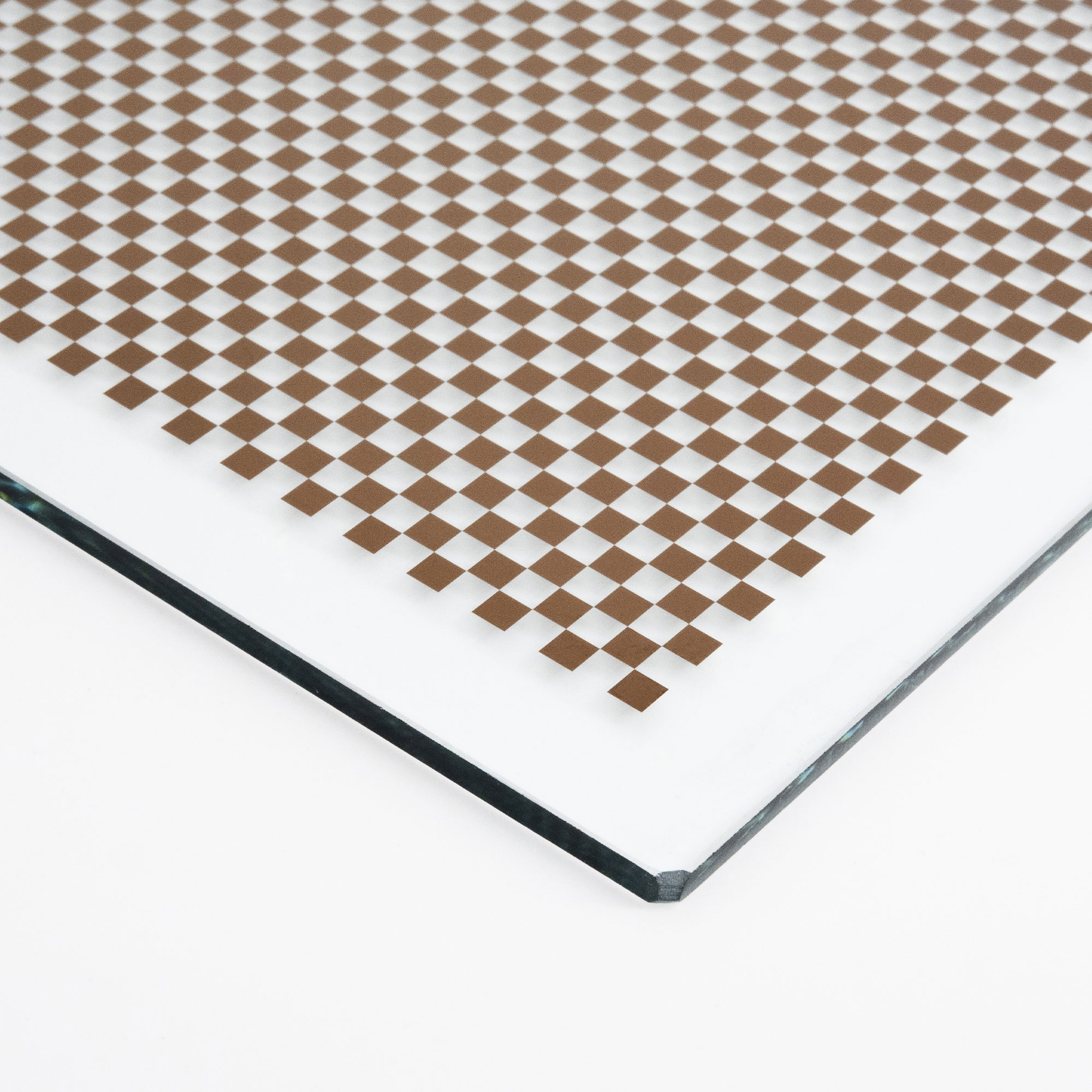
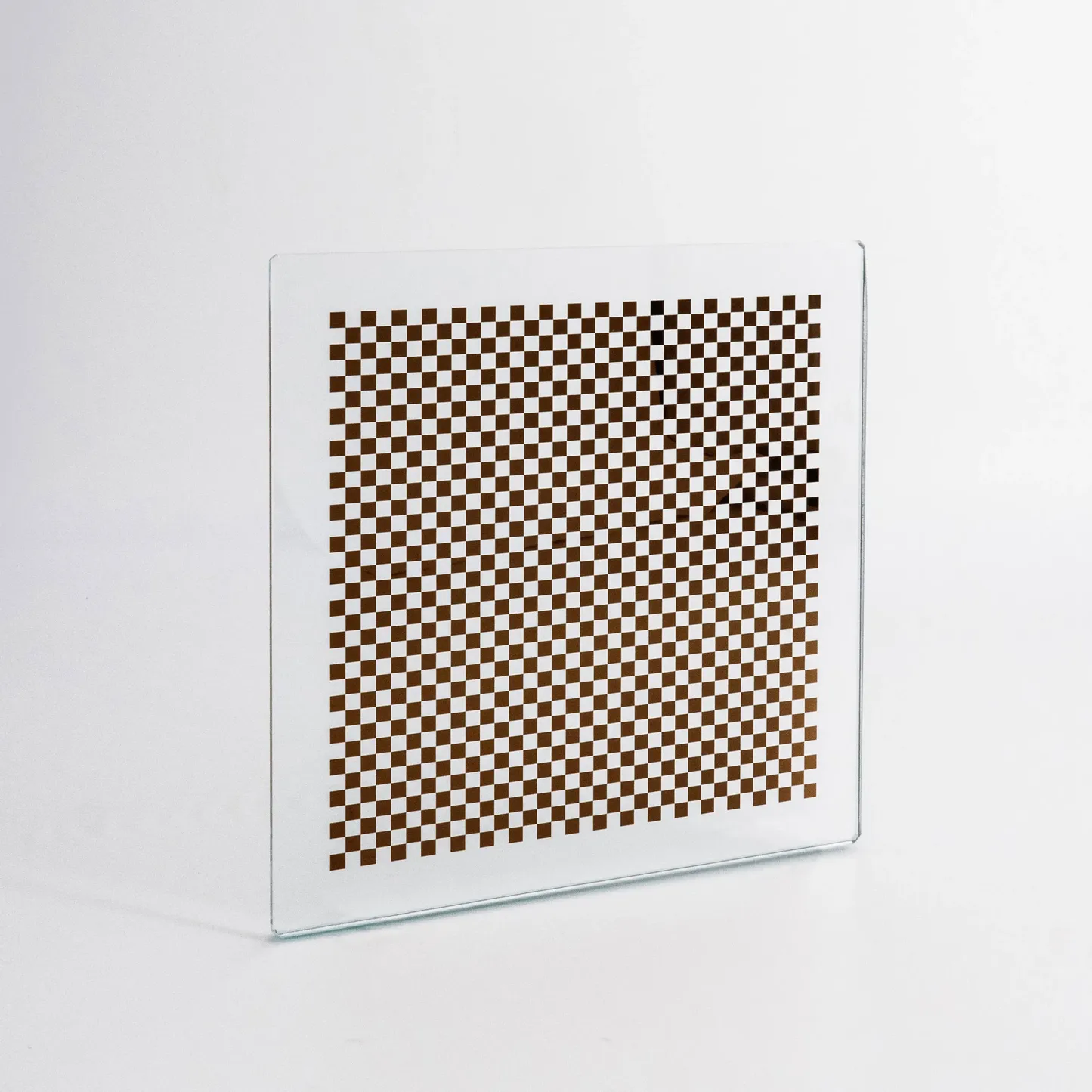
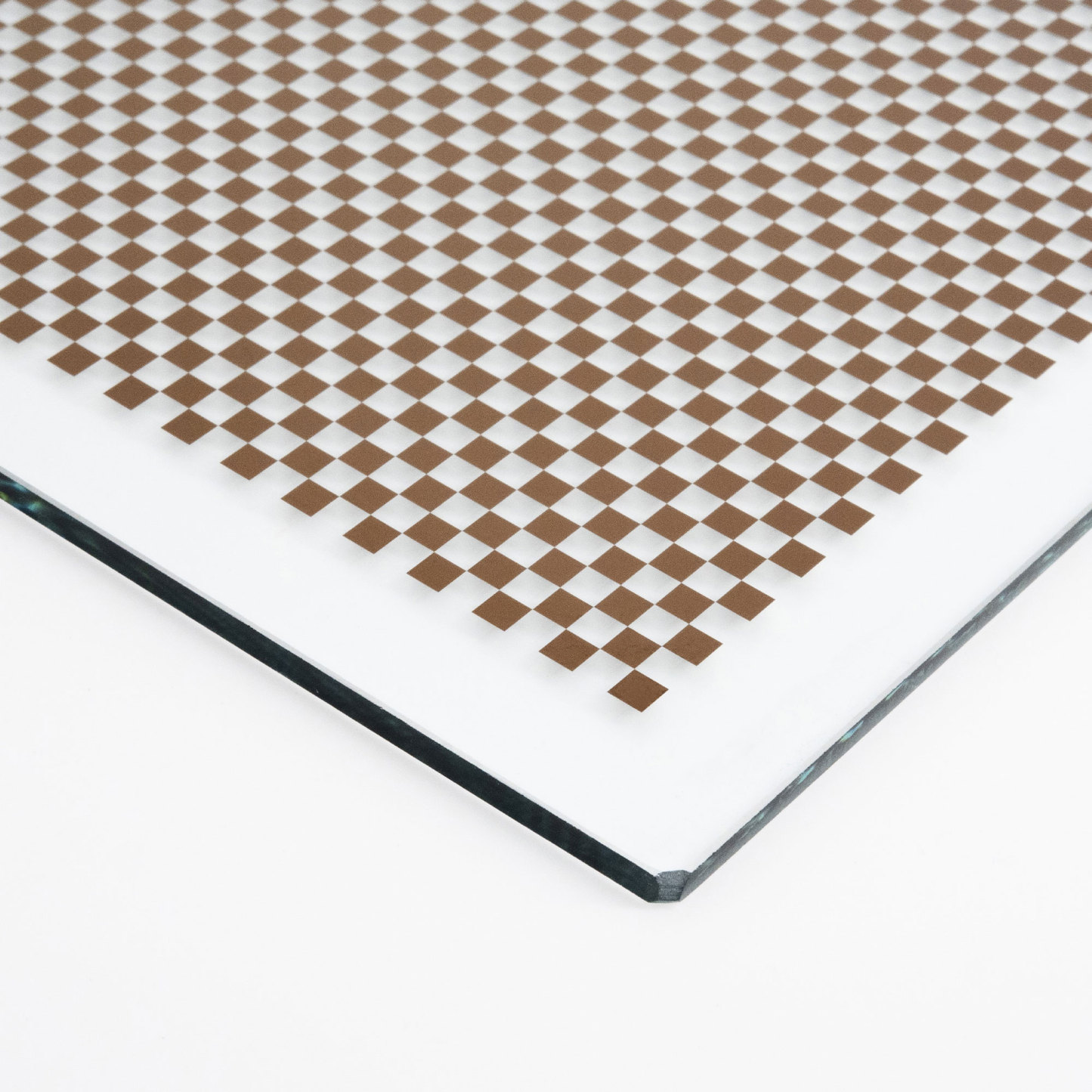
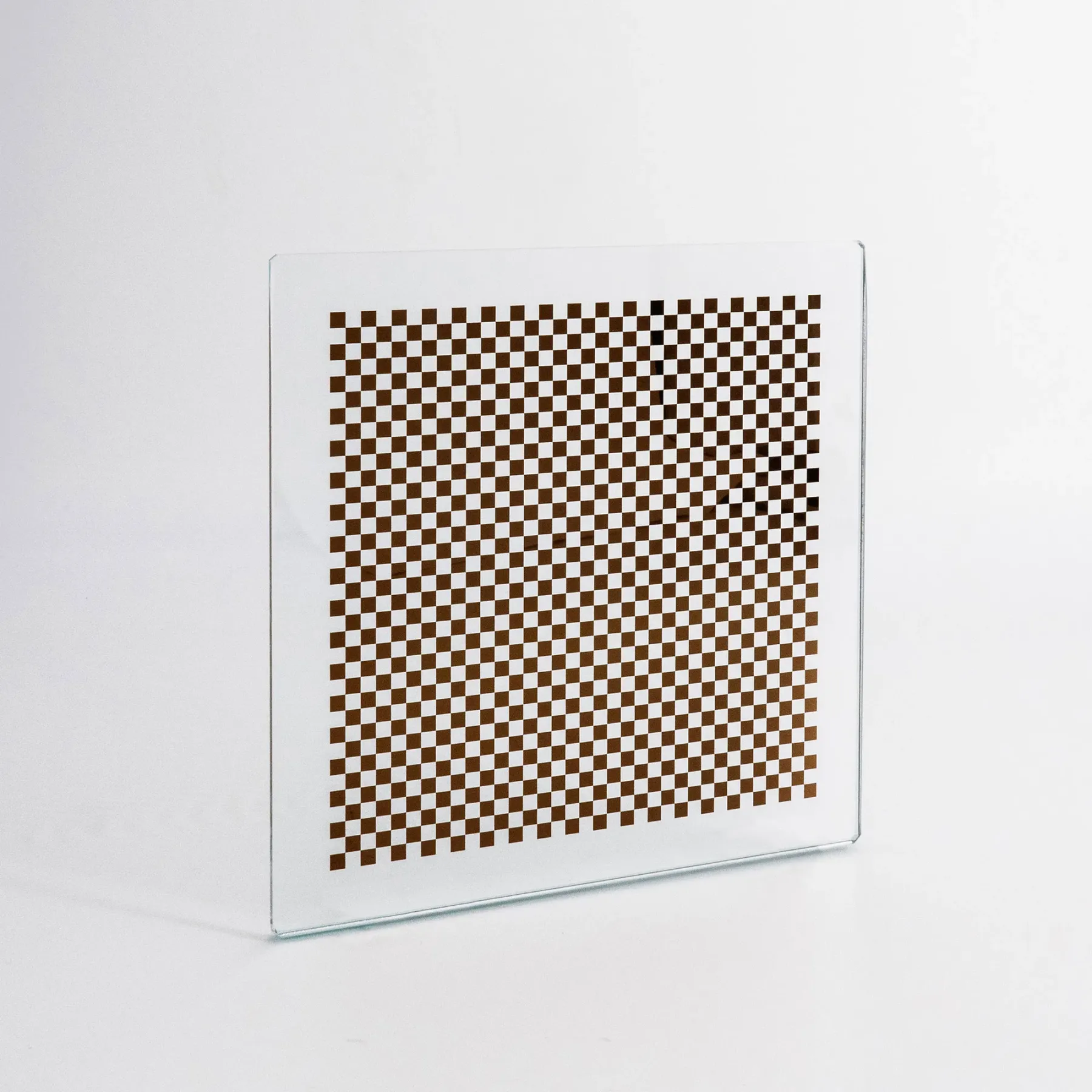
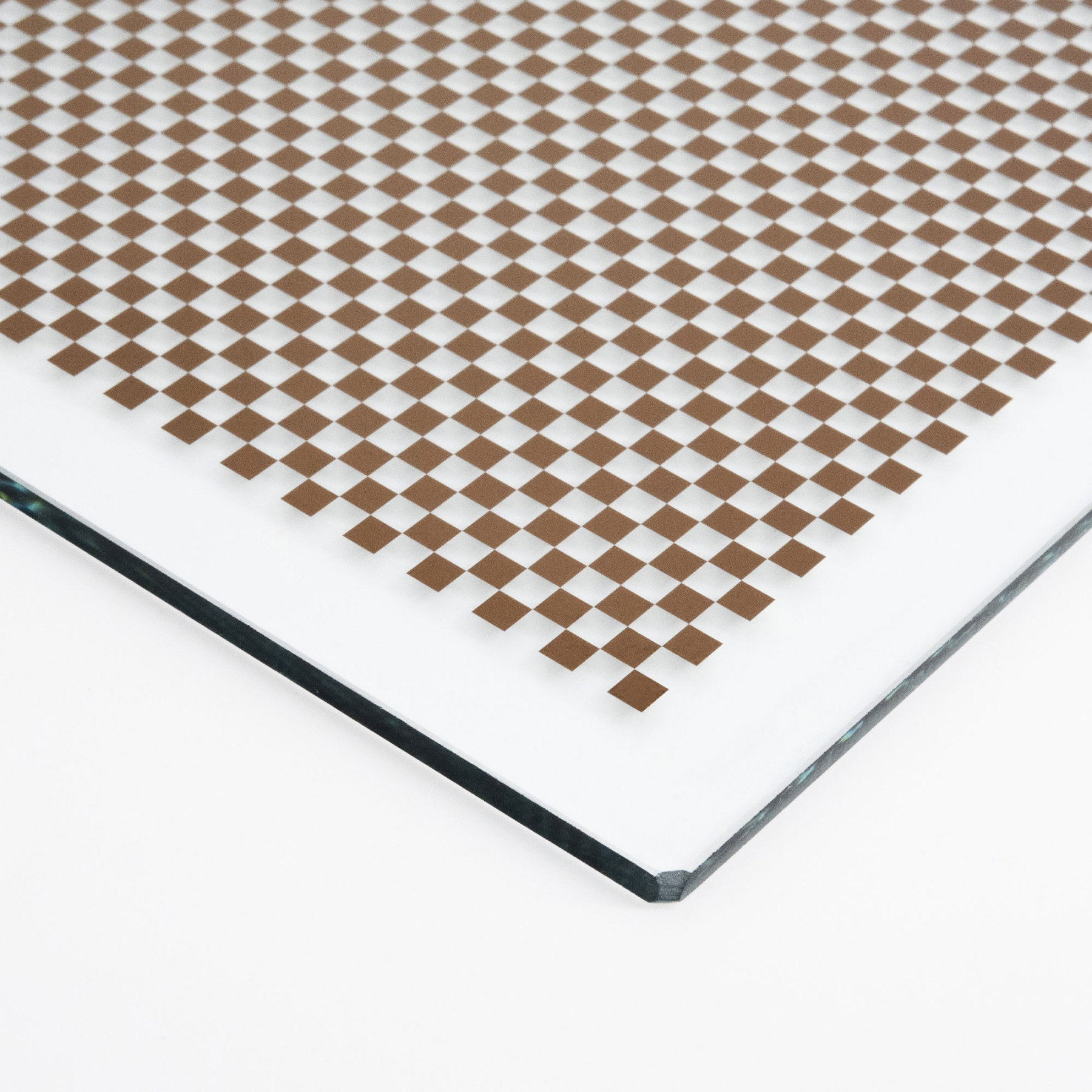
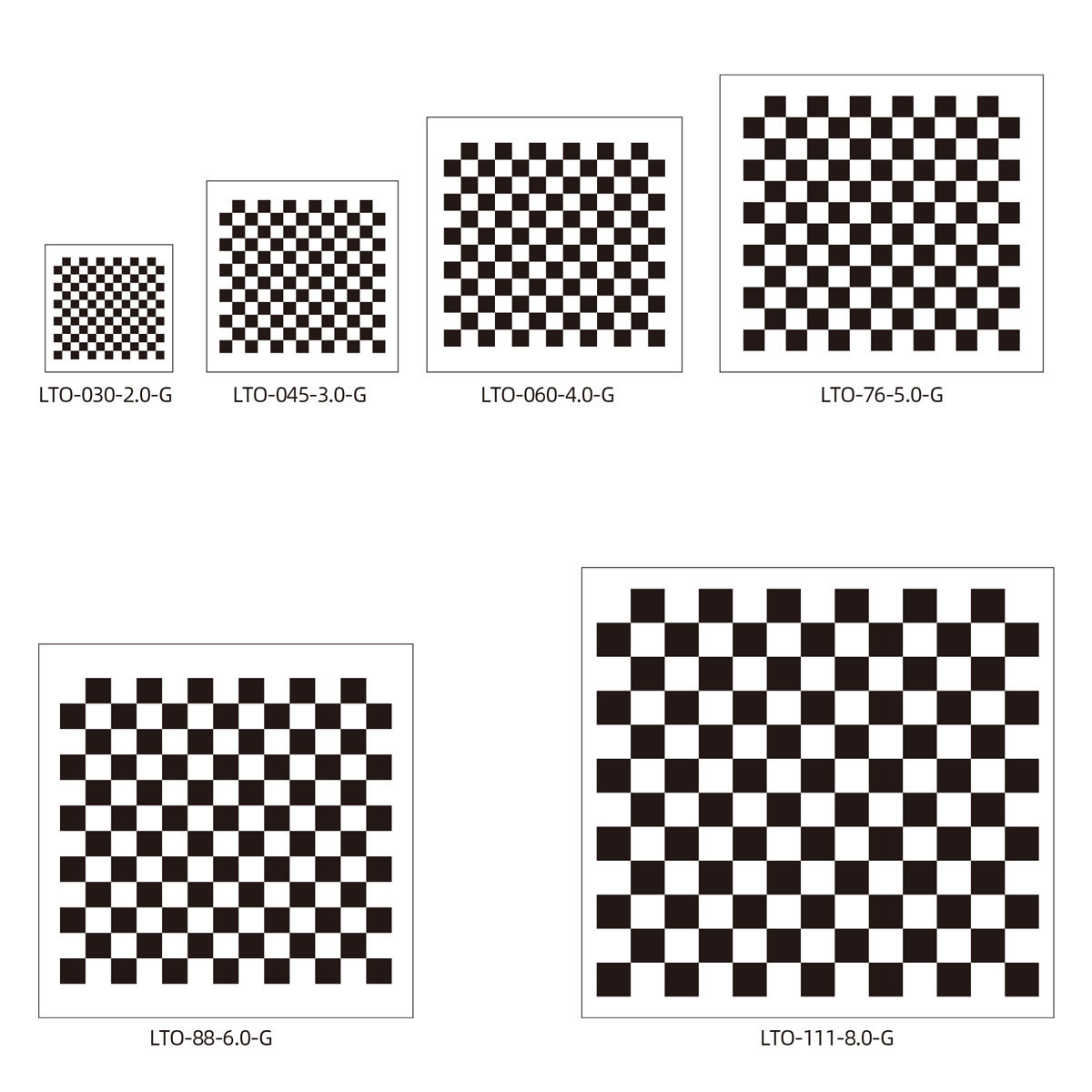
Standard Item of Camera Calibration Board
Our calibration targets are designed specifically for seamless integration with OpenCV and other industry-standard calibration software. The high-contrast patterns are optimized for corner detection algorithms, ensuring fast and accurate calibration results with minimal processing time.
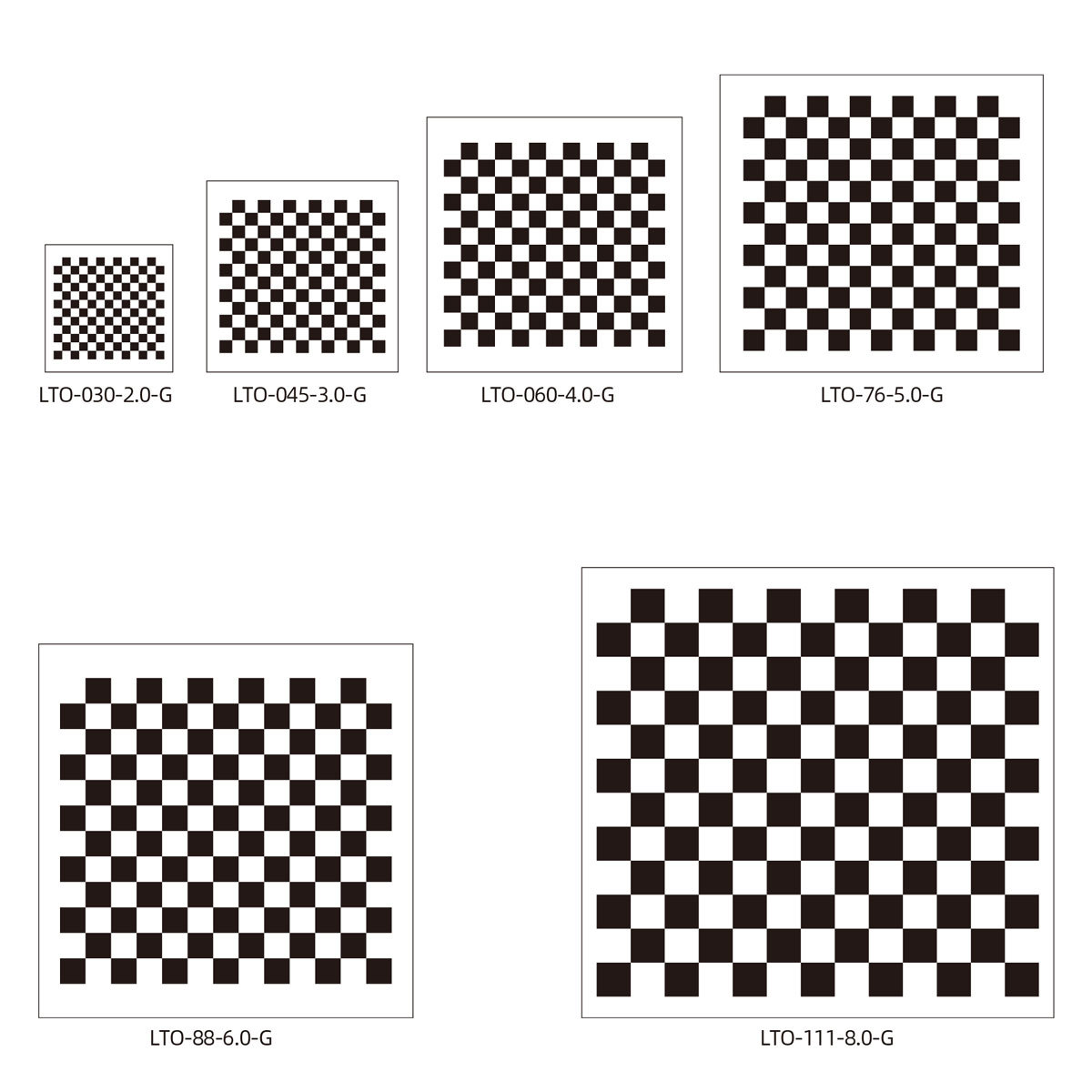
| Standard Model NO. | Substrate Material | Coating Type | Overall Target Size | Active Pattern Area | Checkerboard Pattern | Array | Feature Accuracy |
| LTO-15-0.5-G | Soda Lime Glass | Brown Chrome | 15x15mm | 6x4.5mm | 0.5 x 0.5mm | 9x12 | 1μm |
| LTO-15-0.75-G | Soda Lime Glass | Brown Chrome | 15x15mm | 9x0.75mm | 0.75 x 0.75mm | 9x12 | 1μm |
| LTO-15-1.0-G | Soda Lime Glass | Brown Chrome | 15x15mm | 12x9mm | 1.0 x 1.0mm | 9x12 | 1μm |
| LTO-15-1.5-G | Soda Lime Glass | Brown Chrome | 15x15mm | 18x13.5mm | 1.5 x 1.5mm | 9x12 | 1μm |
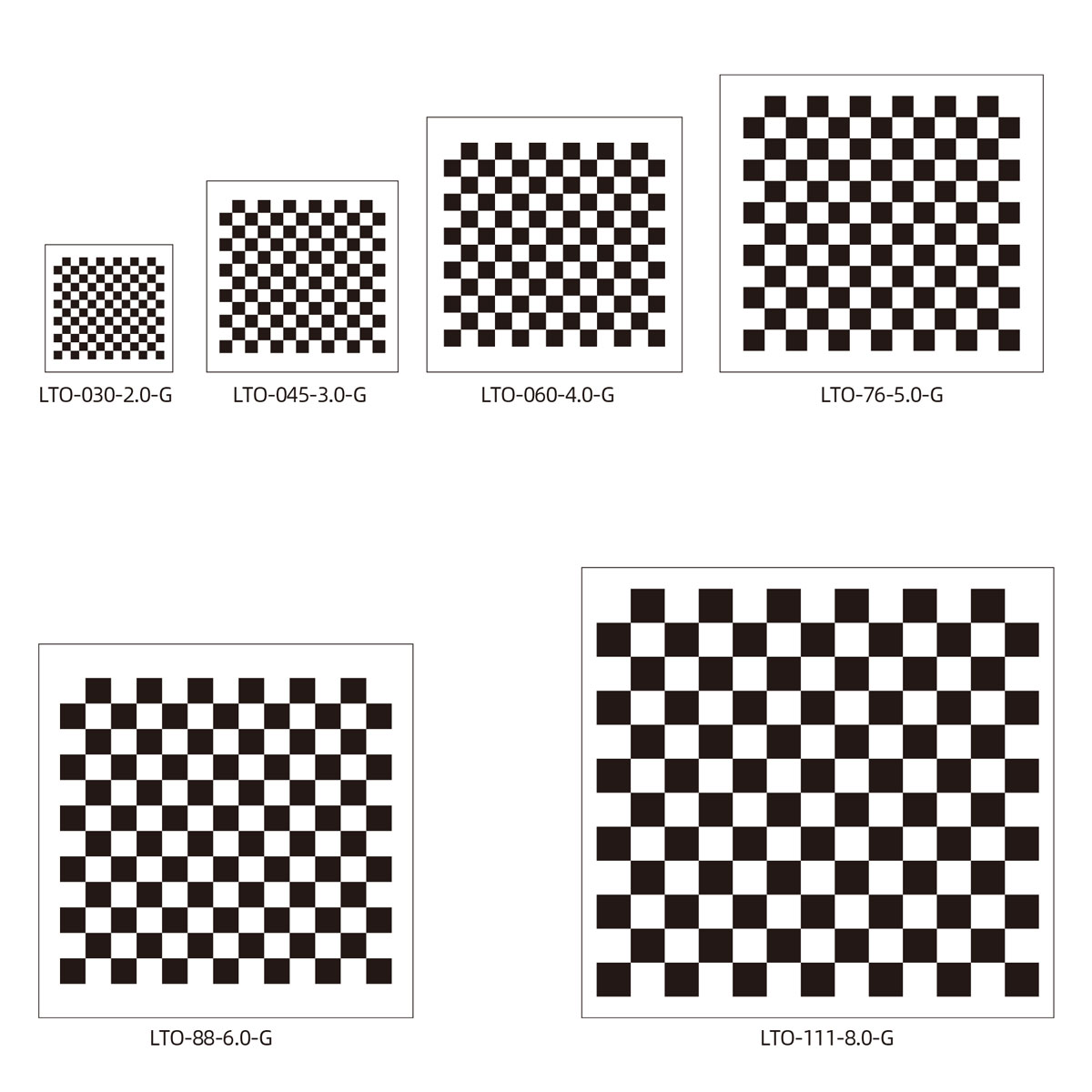
| LTO-030-2.0-G | Soda Lime Glass | Brown Chrome | 30x30mm | 26 x 24mm | 2.0 x 2.0mm | 13 x 12 | 1μm |
| LTO-045-3.0-G | Soda Lime Glass | Brown Chrome | 45x45mm | 39 x 36mm | 3.0 x 3.0mm | 13 x 12 | 1μm |
| LTO-060-4.0-G | Soda Lime Glass | Brown Chrome | 60x60mm | 52 x 48mm | 4.0 x 4.0mm | 13 x 12 | 1μm |
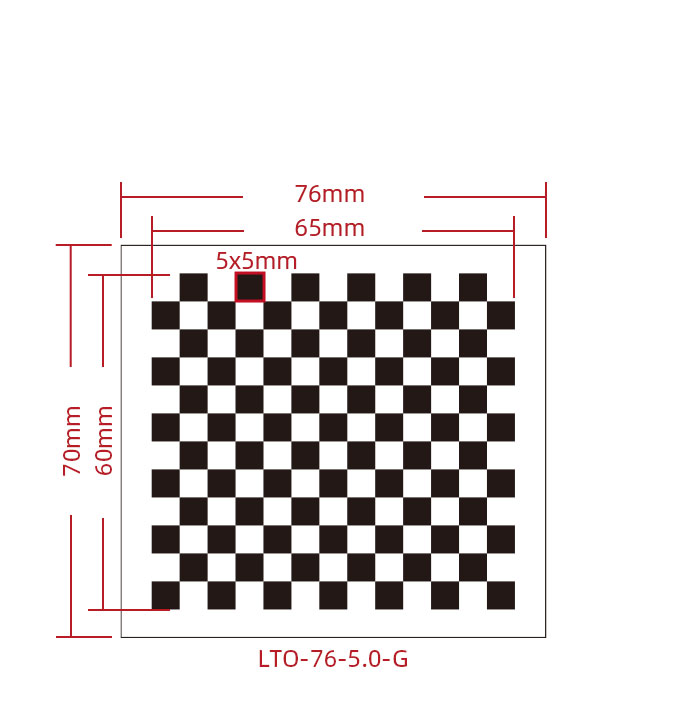
| LTO-76-5.0-G | Soda Lime Glass | Brown Chrome | 76x70mm | 65 x 60mm | 5.0 x 5.0mm | 13 x 12 | 1μm |
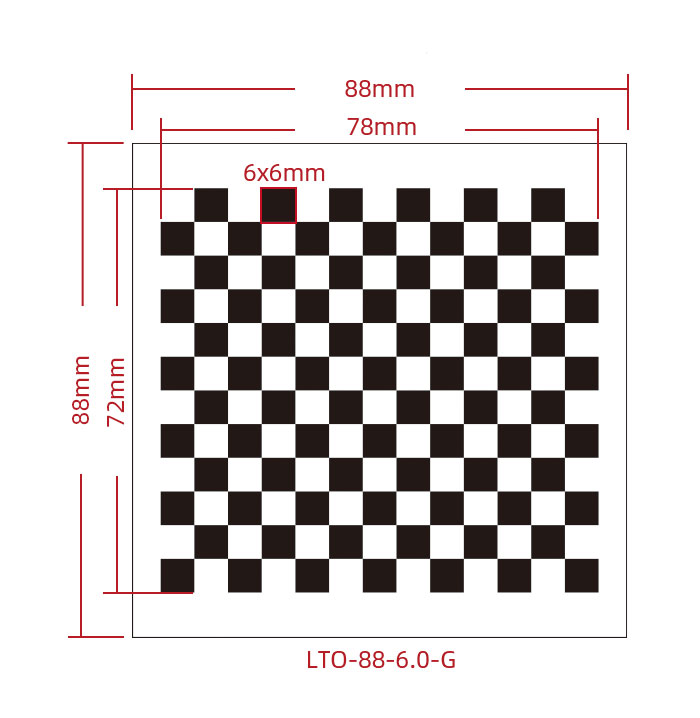
| LTO-88-6.0-G | Soda Lime Glass | Brown Chrome | 88x88mm | 78 x 72mm | 6.0 x 6.0mm | 13 x 12 | 1μm |
| LTO-111-8.0-G | Soda Lime Glass | Brown Chrome | 111x106mm | 104 x 96mm | 8.0 x 8.0mm | 13 x 12 | 1μm |
 |
 |
Camera Calibration Board Details
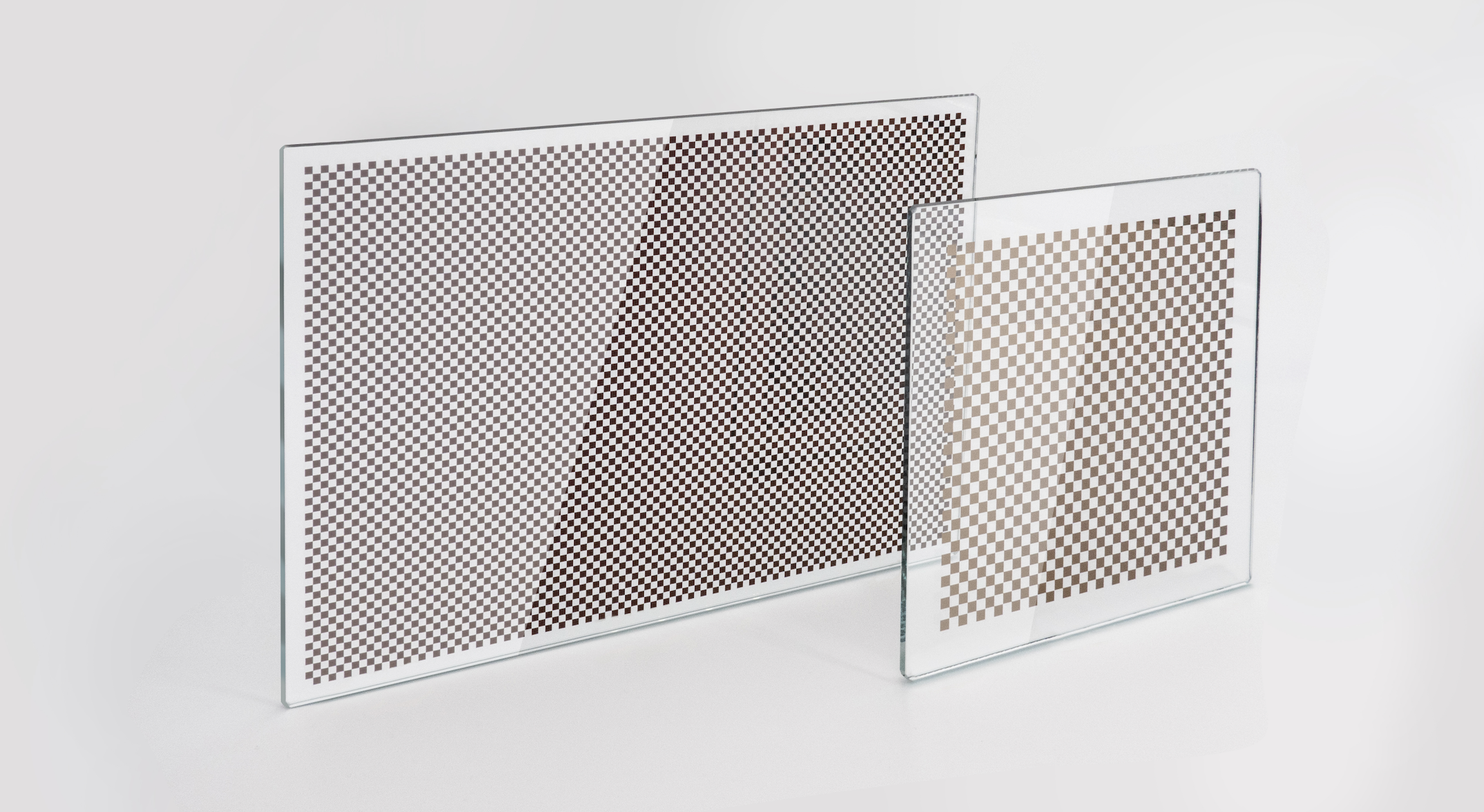
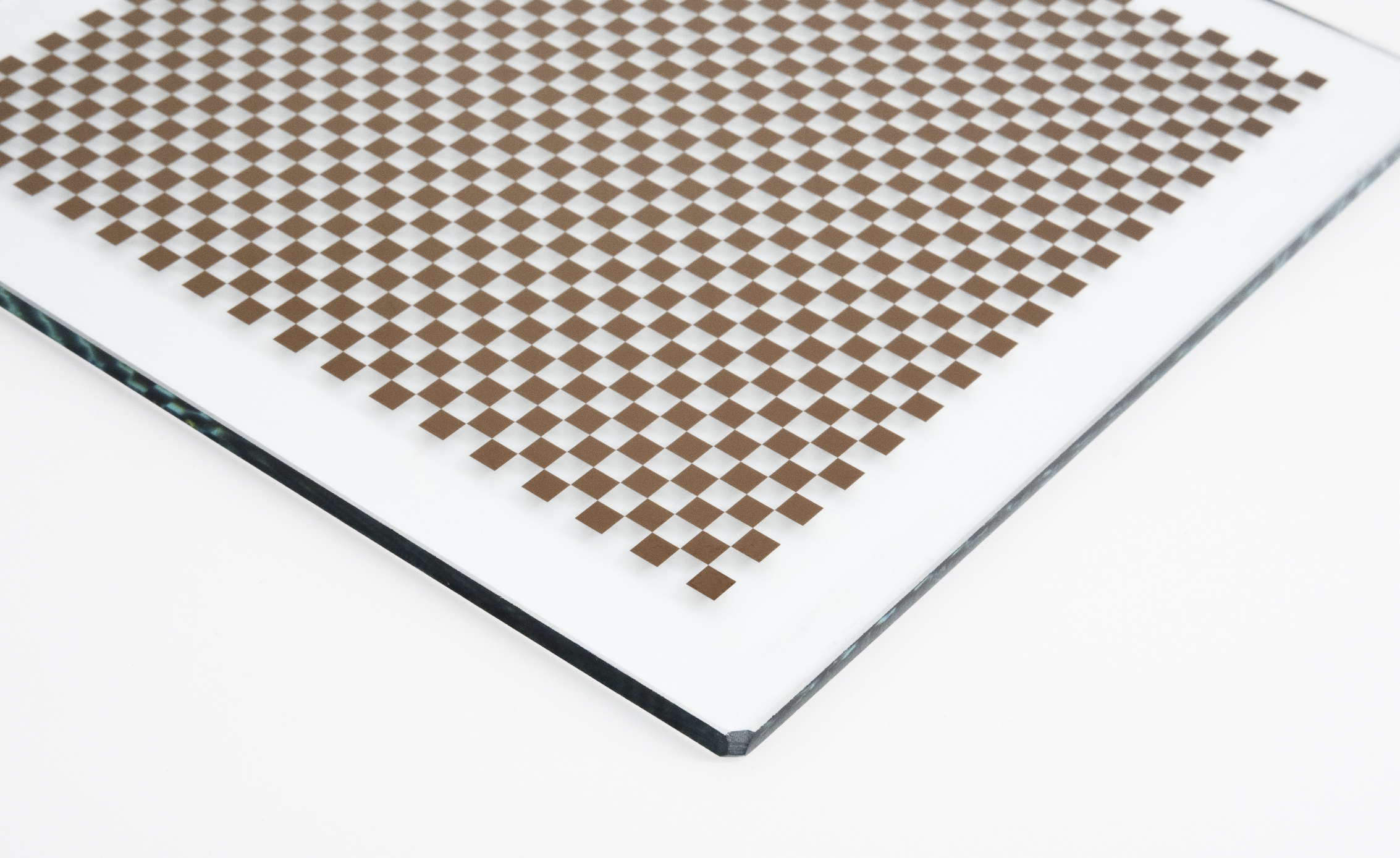
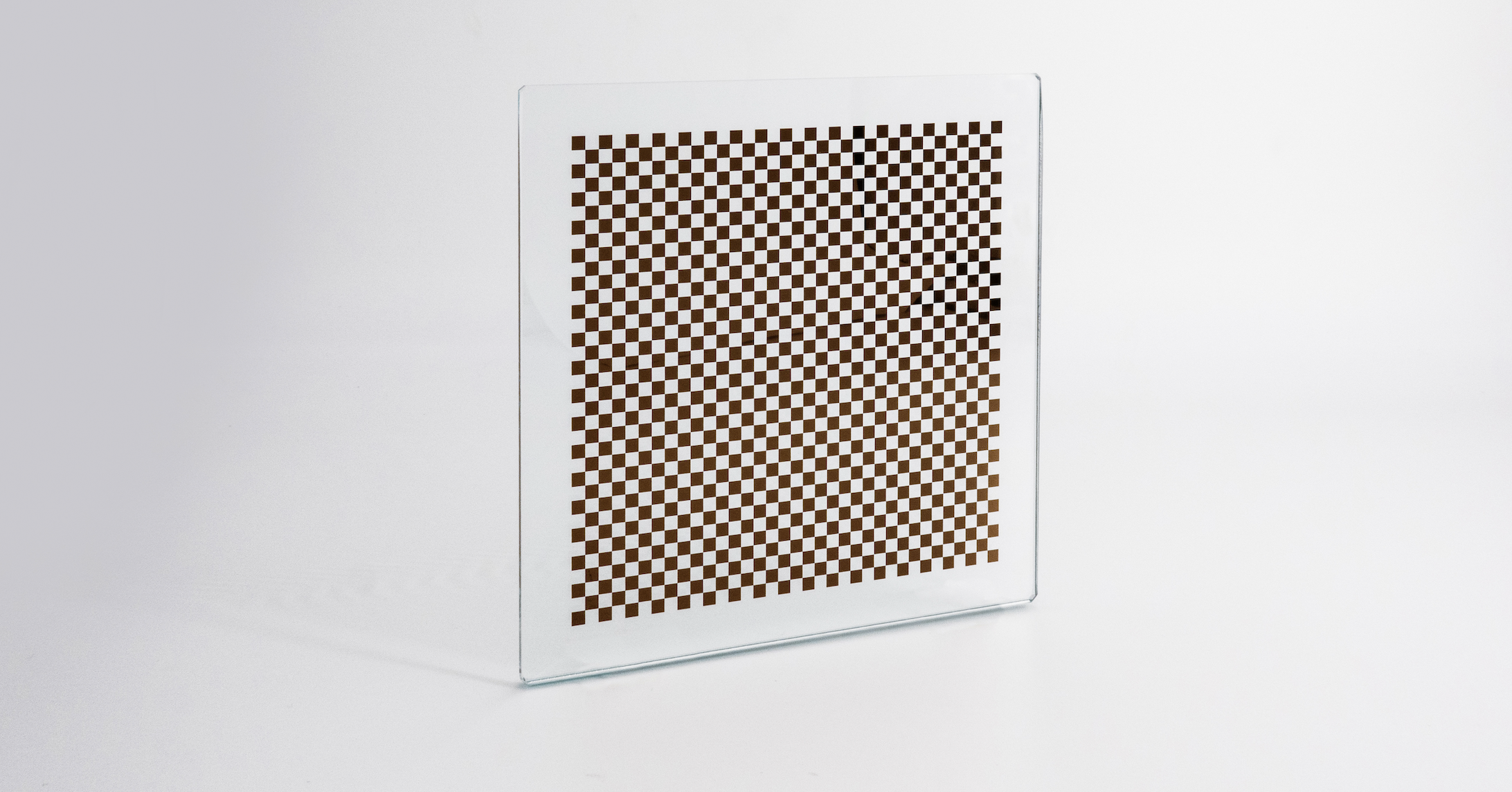
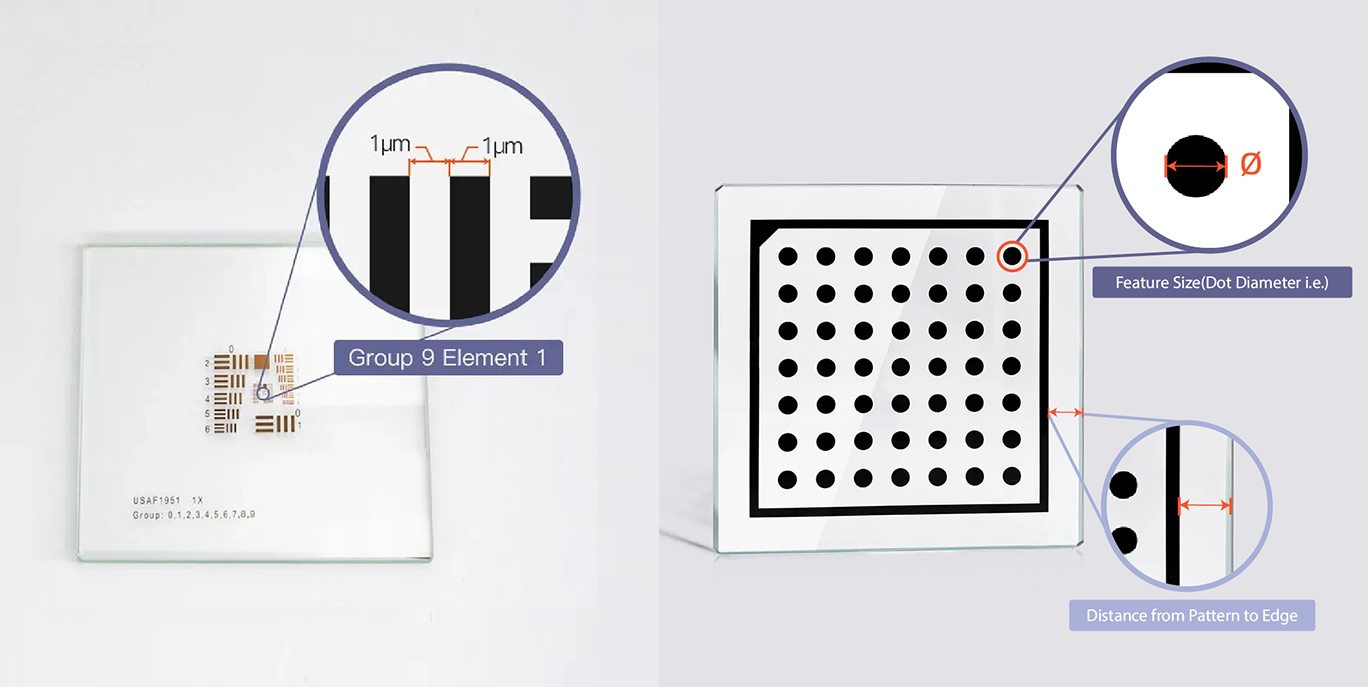
Specification of Camera Calibration Board
| Product Specification | ||||||||
| Pattern | Substrate Material | |||||||
| Production Process | Laser Writing | Substrate Material of Glass |
Soda Lime Glass (Float Glass) | |||||
| Minimum Feature Size Accuracy(Square/Checker Size/Line Width/Dot) | 1μm/0.7μm | Transmission (@550nm) |
>90% | |||||
| Feature Accuracy Overall Accuracy |
±1μm | Thermal Expansion Coeff (20-200 ℃) |
<80X10⁻⁷/K | |||||
| Coating Type | Bright Chrome (High Reflective) |
Brown Chrome (Usual) |
Blue Chrome (Low Reflective) |
Expansion Ratio (20-200 ℃) |
0.00085% (8.5μm/℃ of 1m) | |||
| Reflectivity | < 66% @550nm | <6% @550nm | < 13.4% @550nm | Surface Flatness | <5μm (Dimension<100mm) | |||
| < 73% @650nm | < 17% @650nm | < 1.8% @650nm | <20μm (Dimension<200mm) | |||||
| < 68% @750nm | < 23% @750nm | < 2.67% @750nm | <50μm (Dimension>200mm) | |||||
| Coating Thickness | 120nm (±0.20nm) |
100nm (±0.20nm) |
120nm (±0.20nm) |
Surface Roughness | <0.025μm | |||
| Optical Density OD | >3 | >3 | >4.5 | Thickness | 1.6mm (±0.3mm) |
2.3mm (±0.3mm) |
3.0mm (±0.3mm) |
4.8mm (±0.3mm) |
| White Background | Minimum Line/space: 10μm, Thickness: 40μm (White & Smooth Coating on the Back Side) |
MIN / MAX Overall Size |
MIN: 4x4mm; MAX: 800x960mm (±0.1mm) |
|||||
| Positive / Negative | Positive: Opaque Pattern, Clear Background. Negative: Clear Pattern, Opaque Background. |
Overall Shape | Any Shape by Laser Cutting |
Square | Oval | Round | ||
| Frosted Glass on the Back | Frosted glass on the back are on request. | Special-shaped | Hole | Chamfer | Angle | Corner | ||
Glass Test Target Manufacturing: Product Process of Camera Calibration Board
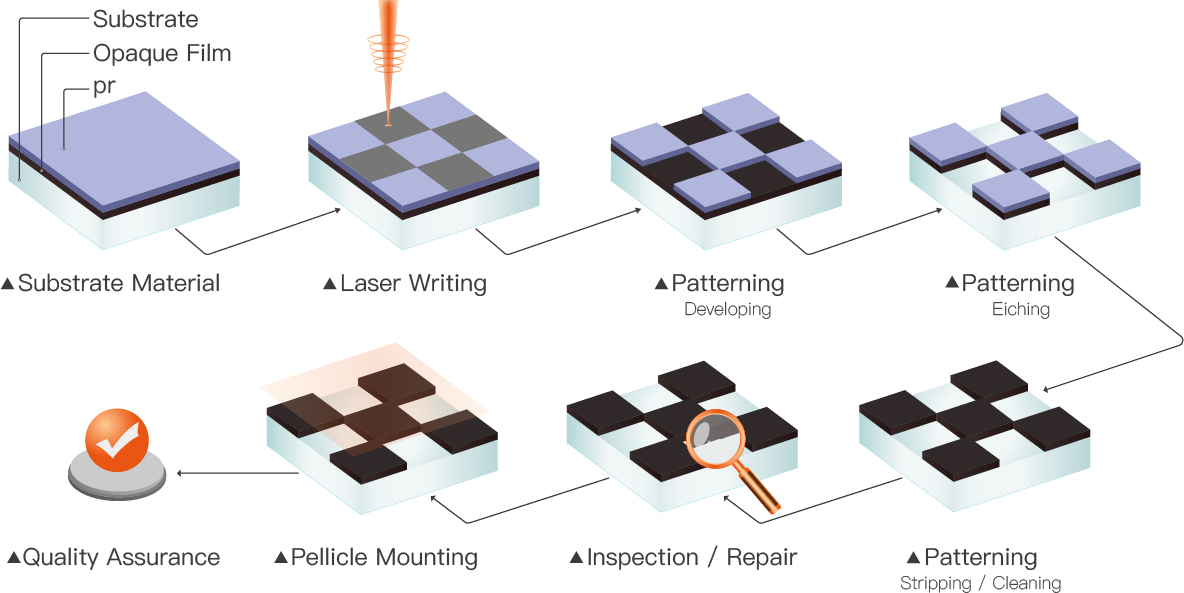
Manufacturing Workflow of Camera Calibration Board
|
Step 1: Substrate Material High-quality glass substrate preparation with optical-grade surface finish and flatness specifications. |
Step 2: Laser Writing Precision laser systems create the photoresist pattern with sub-micrometer accuracy, defining the exact checkerboard patterns. |
Step 3: Developing Chemical developing process reveals the exposed photoresist areas, creating the initial pattern structure ready for etching. |
Step 4: Etching Selective etching removes material to create the final high-contrast resolution patterns with sharp, well-defined edges. |
|
Step 5: Pellicle Mounting (Optional) Protective pellicle film installation provides contamination protection while maintaining optical access to the target patterns. |
Step 6: Inspection & Repair Protective pellicle film installation provides contamination protection while maintaining optical access to the target patterns. |
Step 7: Stripping & Cleaning Final photoresist removal and precision cleaning ensures optimal optical performance and long-term stability. |
Step 8: Quality Assurance Final verification testing confirms all specifications meet OpenCV standards with documented traceability and certification. |
Minimum Feature Accuracy of Ceramic Camera Calibration Board | Soda Lime Glass: 1μm
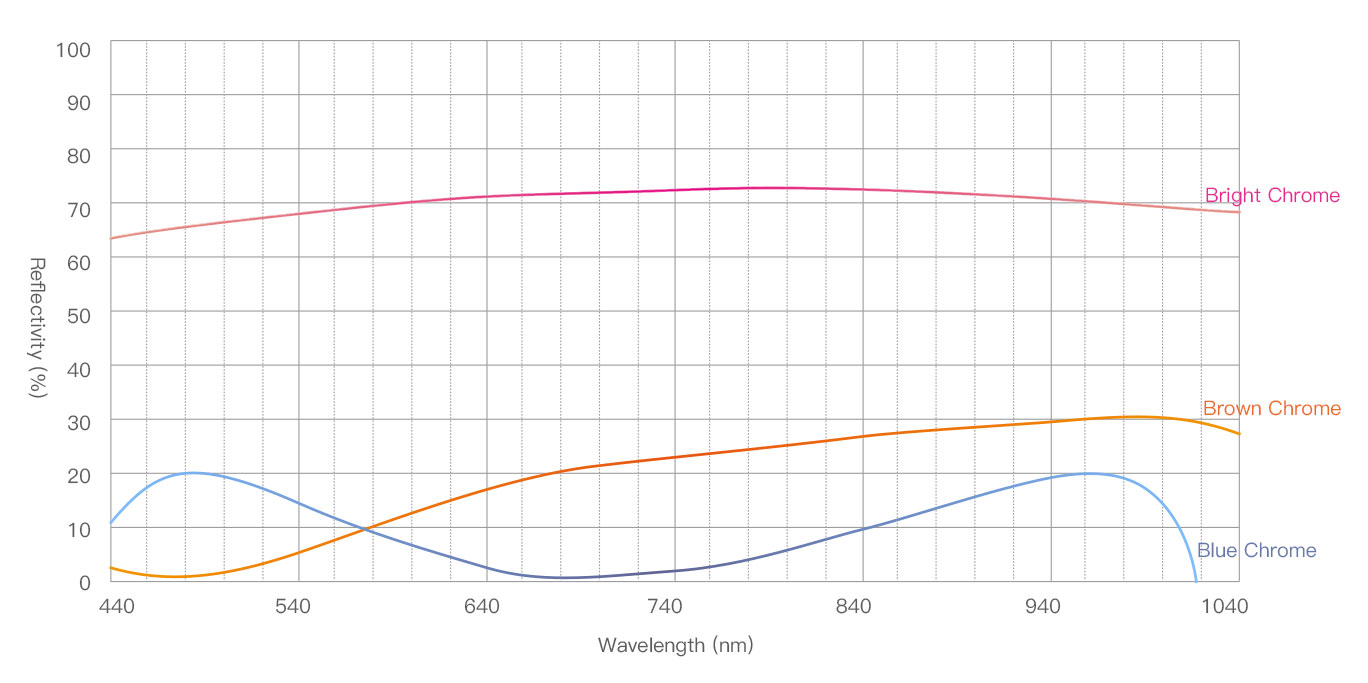
Consistent Mid-Range Reflectivity of OpenCV Camera Calibration Target
Key Insight:
Brown chrome maintains stable 6-30% reflectivity across the 440-1040nm range, providing optimal contrast ratios for reliable corner detection algorithms.
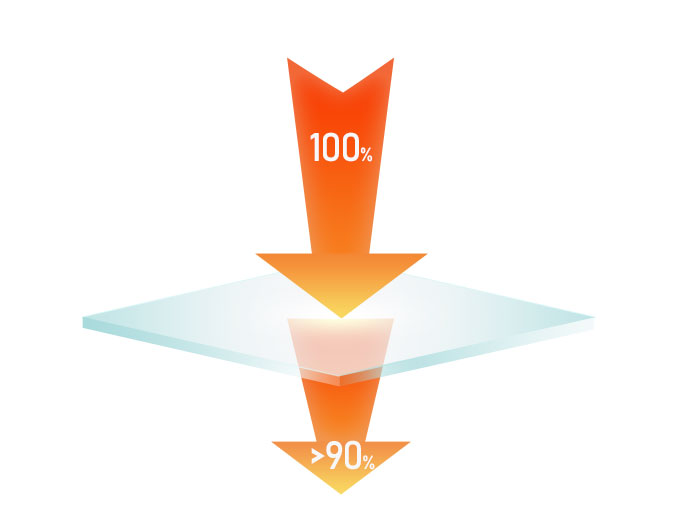
Superior Light Transmission
Soda Lime Glass (Float Silica): Transmission Rate >90% at 550nm
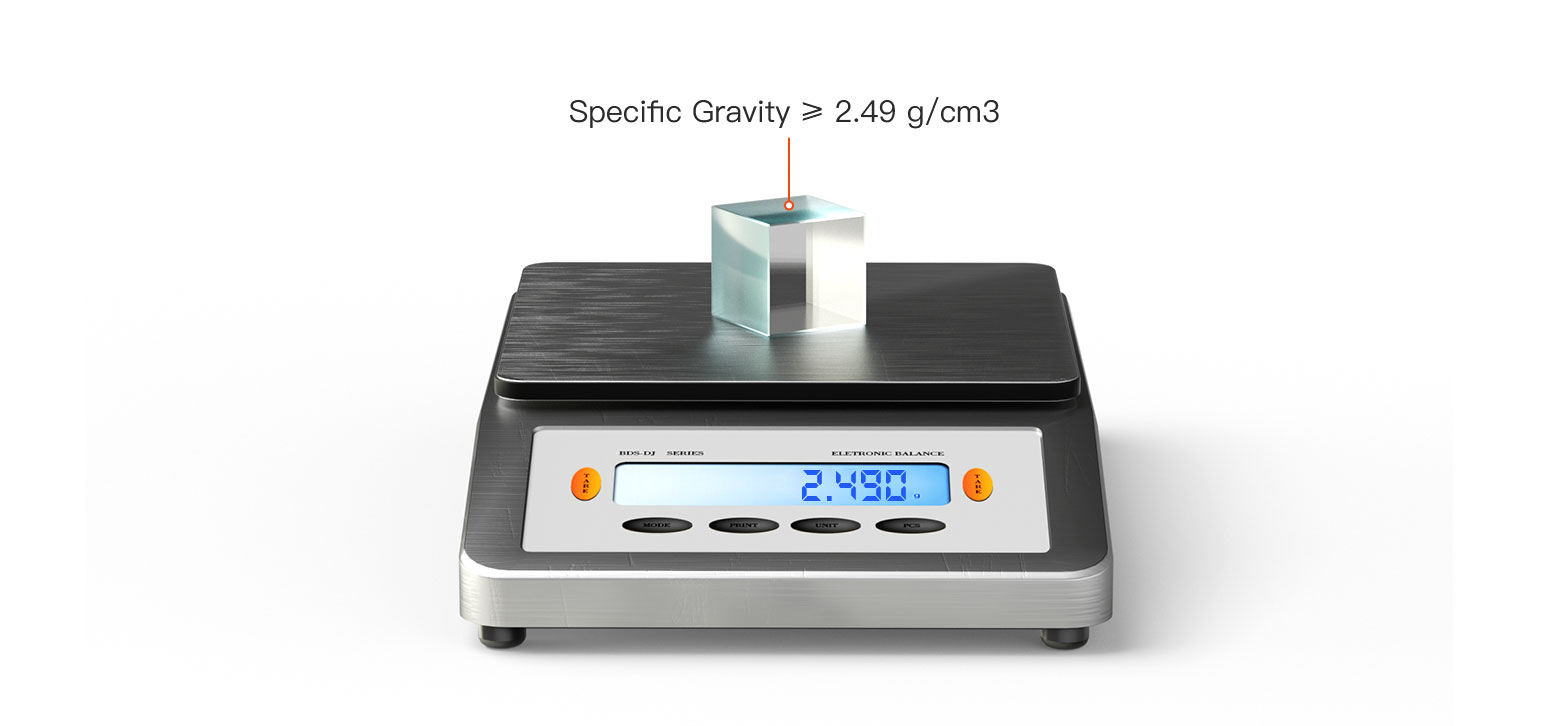
Density Measurement
Optical Density (OD) in soda lime glass refers to the logarithmic measure of light absorption or attenuation as it passes through the glass substrate. It quantifies how effectively the material reduces light transmission at specific wavelengths.
OD Specifications by Application
| Application Type | Required OD | Purpose |
|---|---|---|
| Standard Vision | OD 3-4 | General purpose calibration |
| High Precision | OD 4-5 | Sub-pixel accuracy requirements |
| NIR Applications | OD > 4.5 | Near-infrared wavelength optimization |
| Research Grade | OD> 5 | Ultimate contrast for specialized applications |
Thermal Expansion Coeff
Glass expands when heated and contracts when cooled
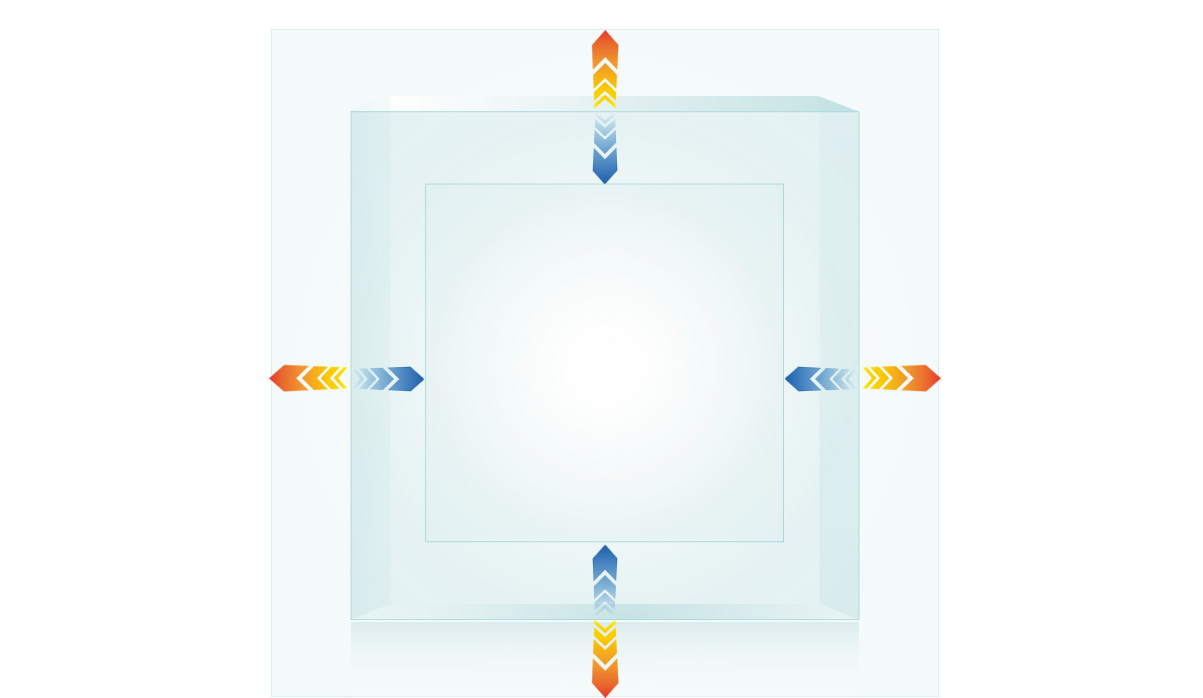
Note: Quartz glass offers approximately 14× greater dimensional stability under temperature changes
| Substrate Material of Glass | Soda Lime Glass (Float Glass) | Quartz Glass (Fused Silica) |
| Thermal Expansion Coeff (20-200 ℃) | <8.0x10 -6/K | <5.0x10⁻⁷ /K |
| Expansion Ratio (20-200 ℃) | 0.00085% | 0.00006% |
| Real-World Impact | 1m glass changes by 8.5μm per 1°C | 1m glass changes by 0.6μm per 1°C |
| Temperature Stability | Standard stability | 14x more stable |
| Best Applications | General-purpose testing | Precision measurement systems |
Surface Flatness Comparison
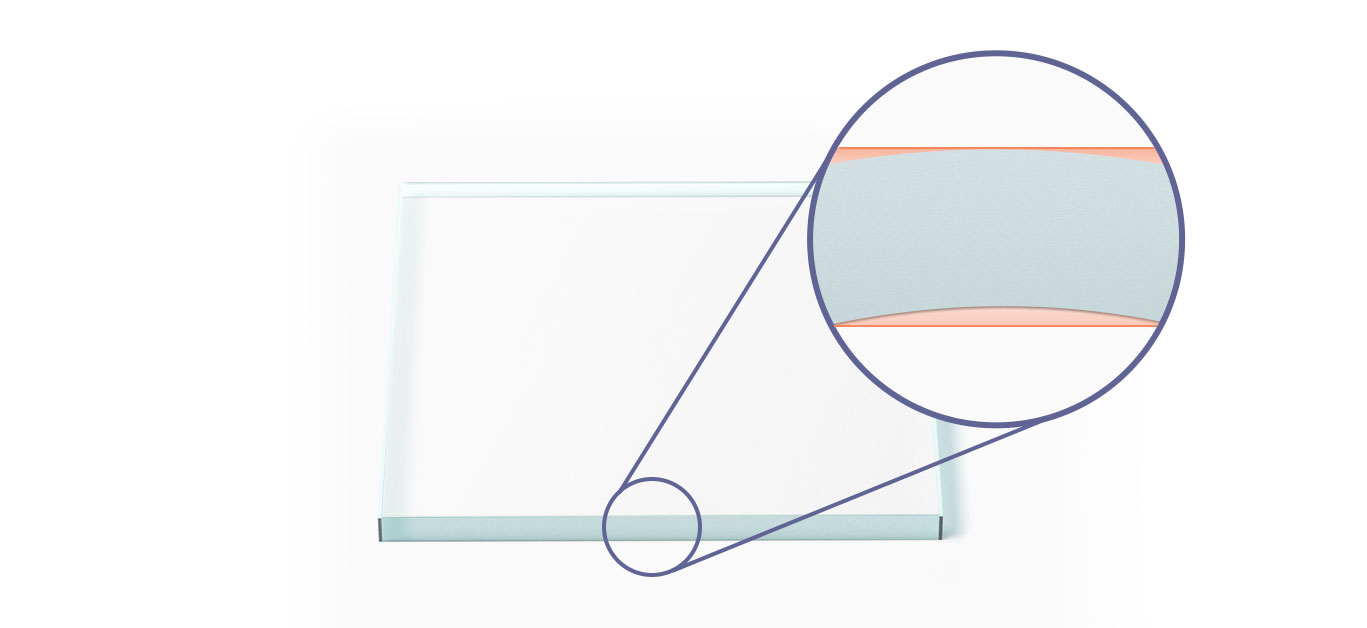
Note: Quartz glass consistently delivers 5-10× better surface flatness across all size ranges, making it ideal for precision optical applications.
| Glass Type | Soda Lime Glass (Standard Float Glass) |
Quartz Glass (Fused Silica) |
| Small Samples Surface Deviation |
<5μm (for sizes under 100mm) | <1μm (for sizes under 50mm) |
| Medium Samples Surface Deviation |
<20μm (for sizes under 200mm)
|
<2μm (for sizes under 100mm) |
| Large Samples Surface Deviation |
<50μm (for sizes over 200mm) | <5μm (for sizes over 100mm) |
Ultra-Smooth Surface
| Surface Roughness: Less than 25 nanometers |
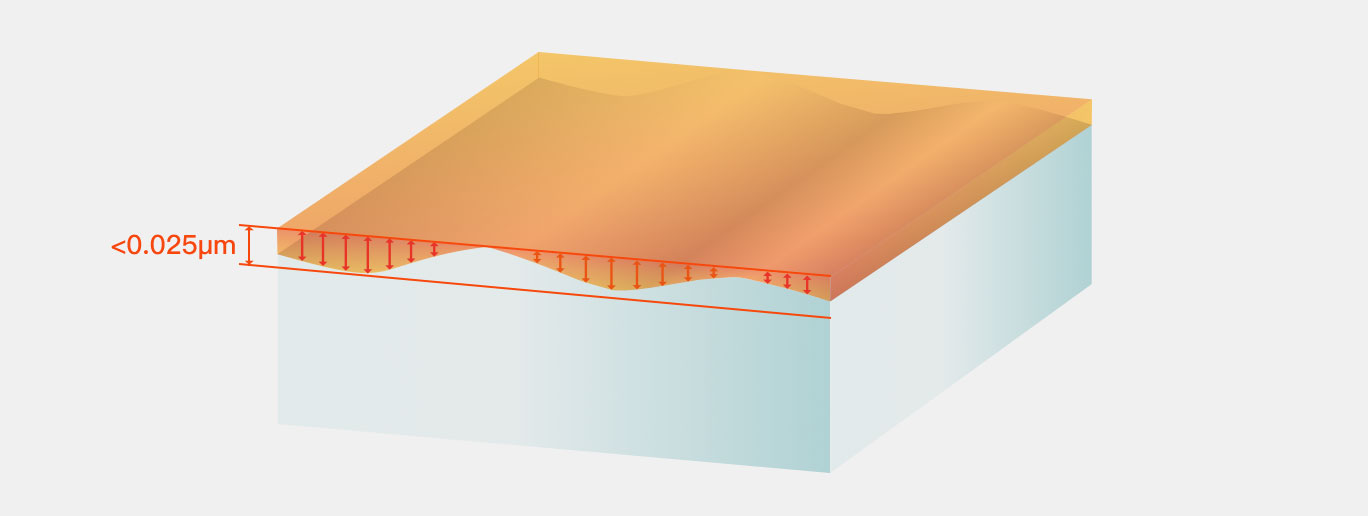 |
| Note: Diagram shows microscopic surface profile with maximum height variations under 25nm |
Applications Across Industries
These targets are essential for:
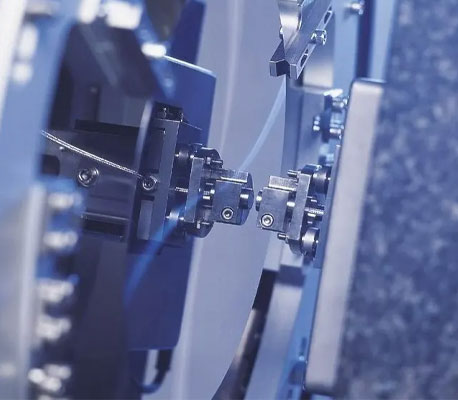
Precise industrial measurement systems |
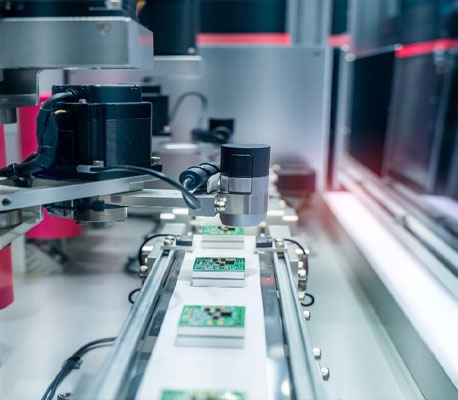
Machine vision quality control |

Robotics and automation |
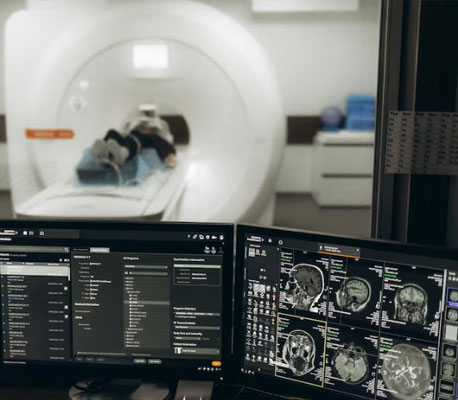
Medical imaging equipment |

Scientific research |

Autonomous vehicle vision systems |
Customized to Your Exact Specifications
Beyond our standard models, we offer complete customization options:
- Custom Checker Widths: From 0.1mm to 15mm+ to match your optical system
- Flexible Array Patterns: 12×9, 12×13, 15×14, 200×200 and custom configurations
- Edge Distances: Precision-controlled borders from 10mm to 25mm
- Special Requirements: Contact us for unique specifications
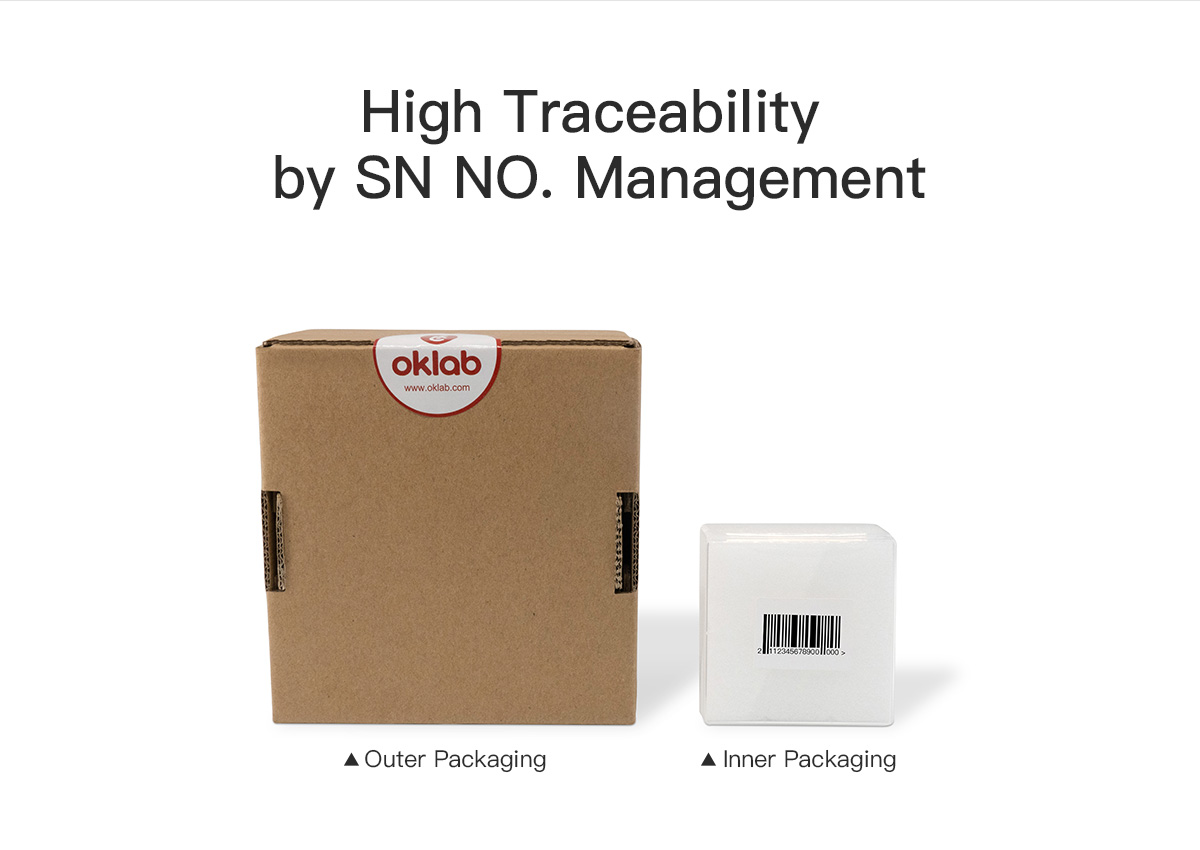
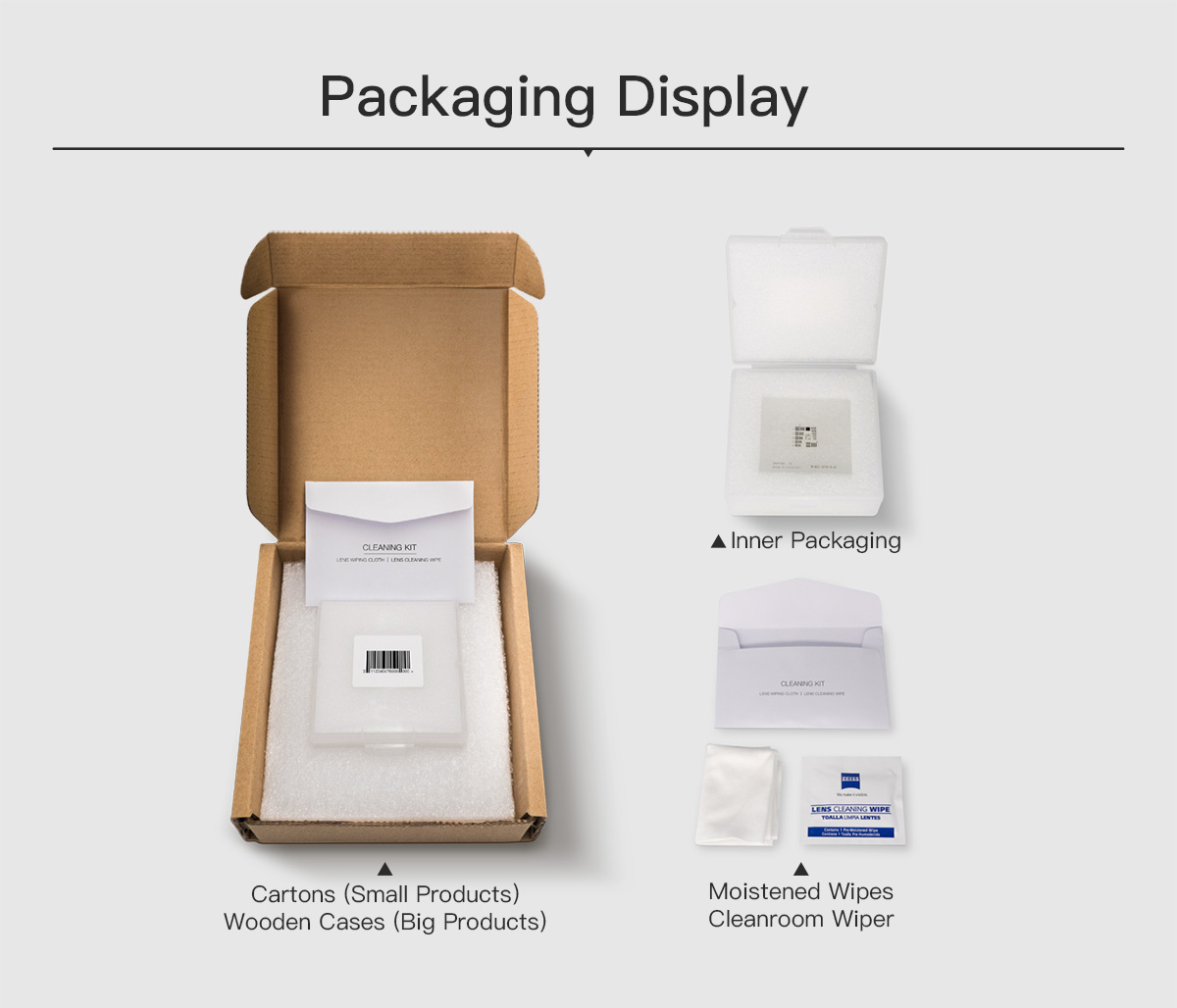
Need assistance with your order?
-
Product selection and compatibility
-
Technical specifications
-
Integration with your existing systems
-
Custom requirements for your industry
Don't hesitate to reach out. Technical documentation, integration guidance, and custom solutions are available upon request.
We're committed to ensuring you find the perfect inspection solution for your needs.
FAQ of Camera Calibration Board
1. Can the Camera Calibration Board be used with software other than OpenCV?
Yes. This is a standard checkerboard pattern rather than an OpenCV-specific electronic device. It can be used with machine vision or calibration software that supports planar checkerboard corner detection, provided the correct matrix and checker dimensions are entered.
2. Why does the Camera Calibration Board use brown chrome on soda lime glass?
Brown chrome reduces surface reflection while maintaining clear contrast between the checker pattern and transparent background. The page lists reflectivity below 6% at 550 nm, compared with below 66% for bright chrome, making brown chrome suitable for stable corner detection.
3. Can the Camera Calibration Board be used with transmitted backlighting?
Yes. The soda lime glass substrate provides more than 90% transmission at 550 nm, allowing the transparent areas to be illuminated from behind. A uniform backlight should be used to prevent brightness gradients, and a frosted rear surface is available upon request.
4. What does ±1 μm feature accuracy mean for the Camera Calibration Board?
It describes the manufacturing accuracy of the checker dimensions and feature positions. It does not guarantee that the complete camera system will achieve ±1 μm measurement accuracy. Final calibration accuracy also depends on the lens, sensor, target placement, image quality and calibration algorithm.
5. How does temperature affect the soda lime glass Camera Calibration Board?
The listed thermal expansion coefficient is below (8.0 \times 10^{-6}/K), corresponding to approximately 8.5 μm of dimensional change per metre for each 1°C change. Keep the board and measurement system at a stable temperature when performing high-accuracy calibration.
6. Can the matrix, checker size and outline of the Camera Calibration Board be customized?
Yes. The page lists custom checker widths from 0.1 mm to more than 15 mm and supports custom matrices such as 15 × 14 or 200 × 200. Custom sizes, round or oval outlines, holes, chamfers and an optional protective pellicle are also available.